

Article: Meaningful Jewish Artwork Gift Ideas: A Buyer's Guide

Meaningful Jewish Artwork Gift Ideas: A Buyer's Guide
Meaningful Jewish Artwork Gift Ideas: A Buyer's Guide
The most meaningful jewish artwork gift ideas share one quality: they connect the recipient to something larger than the occasion itself, a sacred text, a family name, or a place of deep spiritual significance. A well-chosen piece of Jewish wall art does not just fill a wall; it becomes part of a home's identity for decades. This guide covers the most gift-worthy categories of Jewish art, how to match them to specific occasions, and the practical details that separate a thoughtful gift from a forgettable one.
Why Jewish Artwork Makes Such a Meaningful Gift
Most gifts depreciate in meaning over time. A bottle of wine is gone, a gift card is spent, and even fine tableware fades into the background of daily use. Art is different. It is the one object in a home that gets looked at intentionally, every single day, often from the same chair or across the same dinner table for years.
Jewish art carries an additional layer. When the imagery draws from Torah, Hebrew letters, holy sites, or lifecycle milestones, the piece becomes a visible record of the recipient's identity and faith. A guest walks in and immediately understands something true about the family who lives there. That kind of cultural resonance is nearly impossible to achieve with any other gift category.
There is also the question of permanence. Jewelry can be lost, books go unread, and flowers last a week. Wall art stays. It is on the wall at every Shabbat dinner, every holiday, every ordinary Tuesday morning. That daily presence is the real gift.
For a broader look at how Jewish wall art functions within a home's design language, the guide on modern Judaica art and its role in Jewish homes offers useful context before you commit to a direction.

The Most Meaningful Types of Jewish Artwork for Gifting
Not all Jewish art functions the same way as a gift. Some categories are deeply personal; others are more universally appropriate. Here are the formats worth knowing before you choose.
Hebrew Name Art
Personalized pieces that incorporate the recipient's Hebrew name alongside a related Torah verse (pasuk) are consistently the most emotionally resonant gifts across all occasions. The name is specific; the verse adds depth. No two pieces are alike, which removes any possibility of duplication.
Jerusalem and Holy Sites Art
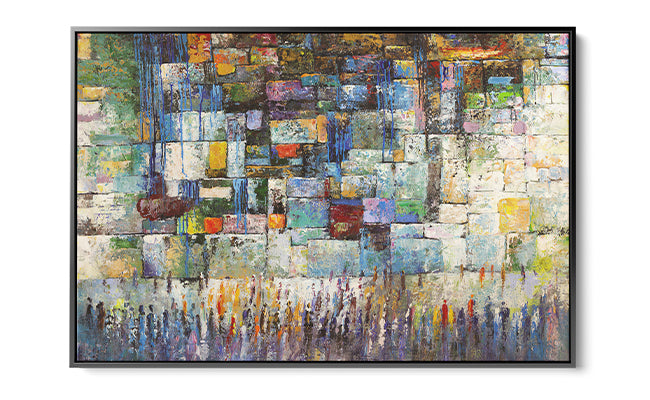
Imagery of the Kotel, the Old City, or the Temple Mount carries universal significance in Jewish tradition. These pieces work across denominations and levels of observance, making them an especially safe choice when you are less certain of the recipient's taste. The Jerusalem art collection shows how contemporary artists reinterpret these subjects without relying on postcard-style photography.
Prayers and Blessings
Shema, the Priestly Blessing, the Shabbat prayer, and the home blessing (Birkat HaBayit) all translate beautifully into wall art. They have practical spiritual function in the home, which means the recipient is likely to display them prominently rather than store them away.
Tree of Life and Symbolic Imagery
Universally recognized within Jewish tradition, Tree of Life art communicates hope and continuity without requiring explanation. It is one of the more flexible gift choices precisely because it reads as meaningful to both observant and secular recipients.
Contemporary Judaica Art
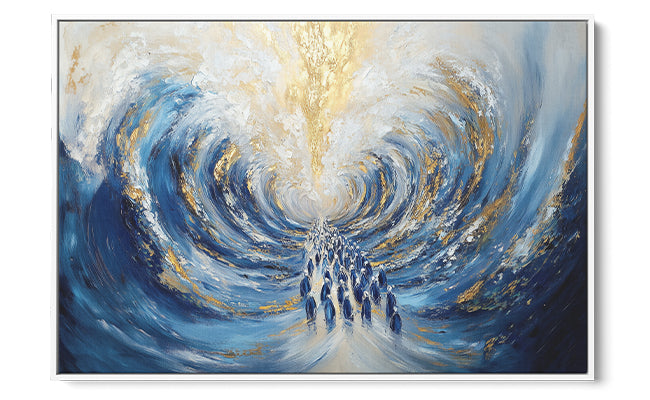
Works by serious Jewish artists that depict Jewish life, characters, or scenes offer something collectors genuinely appreciate: a piece with artistic merit that also carries cultural identity. The contemporary Jewish paintings collection is a good place to see how this category has evolved beyond traditional illustration.

Personalized Hebrew Name Art: A Gift That Lasts a Lifetime
Of all the meaningful jewish art gifts for special occasions, Hebrew name art occupies a category of its own. The concept is straightforward: the recipient's Hebrew name is rendered in a composition that incorporates a biblical verse containing that name or a related theme. The result is genuinely one-of-a-kind.
The Name by Pasuk collection at Ben Ari Art Gallery runs from $99 to $149 and includes styles designed for very different tastes and rooms. Some versions use a calm, contemporary palette suited to a modern living room in a neutral interior. Others use vibrant, saturated color, which works better in a child's room or a family space where energy is welcome. There are also designs oriented toward spiritual connection, combining the weight of Torah text with clean modern typography.
What makes this format particularly strong as a gift is that the personalization happens at the content level, not just at the surface. It is not simply a name printed on a print. The verse that emerges from the recipient's name carries its own meaning, and that meaning often resonates deeply with the occasion. For a baby naming, the verse might speak to blessing and protection. For a bar mitzvah, one tied to strength and responsibility.
Curator's note: When ordering Hebrew name art as a gift, confirm the correct Hebrew spelling of the recipient's name before placing the order. Even common names like Miriam, Sarah, or Yosef can have variant spellings in Hebrew depending on family tradition, and the wrong spelling undermines the personal quality entirely.
The collection offers styles suitable for children's rooms, specifically designed with nurturing imagery and a lighter, more playful hand, as well as styles that work in formal living rooms or a home office. That range makes it one of the most versatile sources for unique judaica art pieces for every occasion.

Matching Jewish Art Gifts to the Right Occasion
The category of art matters, but so does reading the occasion correctly. Here is a framework for thinking through the match: start with the emotional register of the event, then consider the recipient's home aesthetic, then choose the format.
Weddings
A wedding calls for something that speaks to partnership, home, and the future. The Sheva Brachot, the seven blessings recited under the chuppah, translate beautifully into large-format wall art. The home blessing is another natural choice. For something more personal, a piece of Hebrew name art incorporating both partners' Hebrew names carries the kind of weight that photographs of the wedding cannot replicate. Aim for a size that can anchor a main wall: typically 24 inches wide or larger for a living room setting.
Bar and Bat Mitzvah
The coming-of-age milestone calls for a piece the young person will actually keep as they move from their childhood bedroom into adult life. That argues for restraint in style: avoid overly childish imagery, and favor pieces that will feel as appropriate at 25 as they do at 13. Hebrew name art in a clean, modern style is a strong choice here. Personalized jewish art for bar mitzvah gifts should ideally be frameable or already framed, since families at this stage are unlikely to have a trusted framer they turn to immediately.
Housewarming
Jewish wall art as a housewarming gift is particularly well-suited to blessings for the home. The Birkat HaBayit, which asks for peace, happiness, and blessing within the walls of a new home, is one of the most contextually appropriate pieces imaginable. A quality framed print in a size that works across room types, roughly 16 by 20 inches, is a safe choice when you do not know the exact dimensions of the space. Kotel imagery also works well; there is a long tradition of hanging a representation of the Western Wall in a Jewish home.
Baby Naming and Newborn Gifts
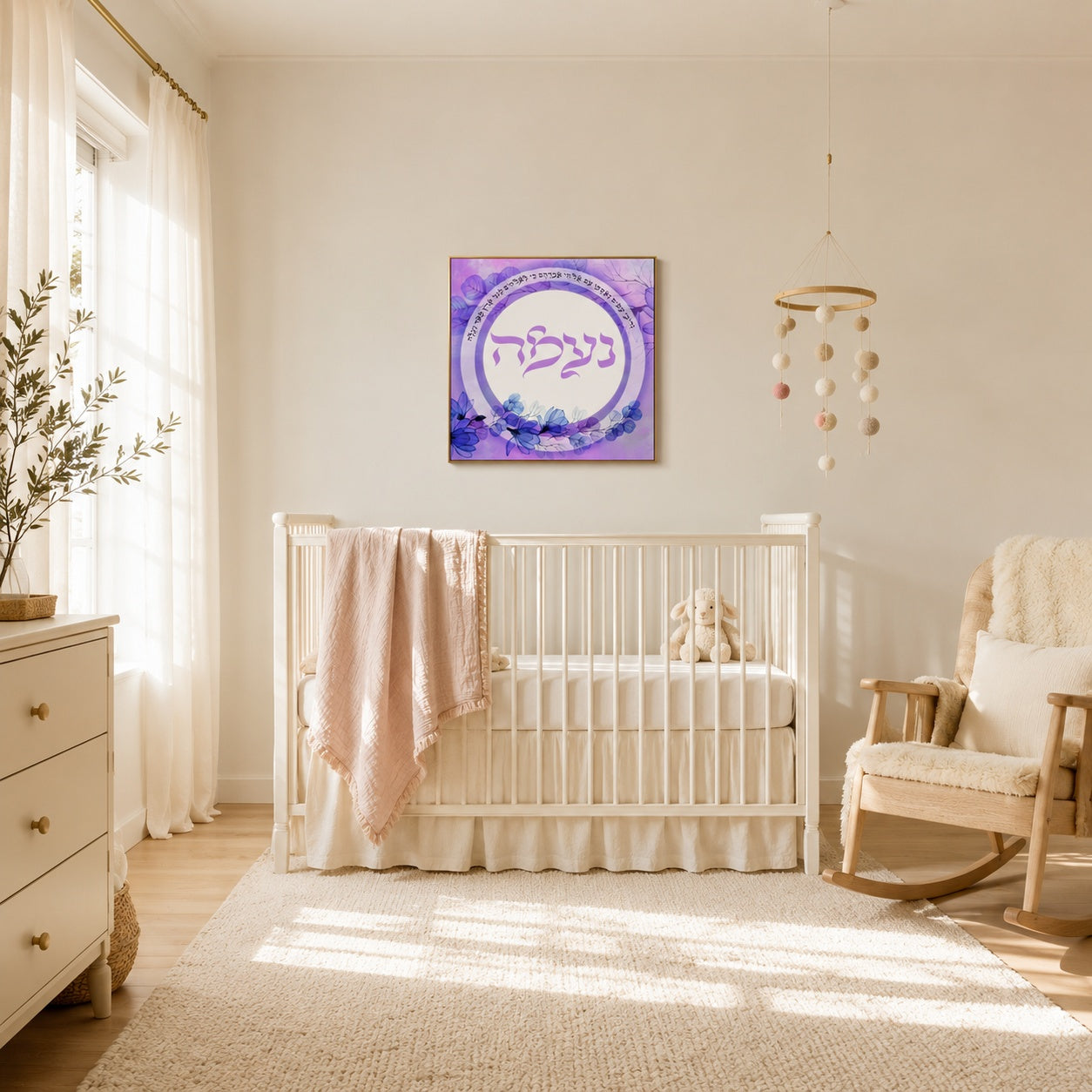
This is where the playful and colorful variants of Hebrew name art shine. A piece designed specifically for a nurturing environment, with softer color and imagery that grows with the child, is far more considered than another stuffed animal or blanket. It also introduces the child's Hebrew name and its spiritual significance in a way that will be part of their daily environment from the earliest age.
Holidays and Milestone Birthdays
For Rosh Hashanah, a piece tied to hope and renewal makes sense. For significant birthdays, particularly 40, 50, or 60, something tied to the recipient's name and a meaningful verse carries more weight than a generic gift. Jewish art gifts for the home are especially appropriate here because milestone birthdays often prompt people to invest in their living spaces in ways they did not prioritize when they were younger.

What to Look for When Choosing Jewish Artwork as a Gift
Buying art for someone else requires a different lens than buying it for yourself. You are not matching it to your own walls; you are trying to read another person's home, taste, and emotional relationship to their faith. A few concrete criteria help.
Style Compatibility
Look at the recipient's home or, if you have not visited it, their social media. Modern, minimal interiors call for clean typography, limited color palettes, and restrained imagery. Traditional or classically furnished rooms can carry more ornate compositions, richer color, and gilded details. Boho or eclectic spaces often welcome expressive, painterly work. When in doubt, lean contemporary: modern Judaica has broader aesthetic range and tends to work across more interior styles than traditional Judaica.
The distinction between these two modes is covered in depth in this article on modern Judaica wall art versus traditional Jewish decor, which is worth reading if you are uncertain which direction fits the recipient.
Sizing for the Space
If you can estimate the wall the piece is likely to hang on, aim for a width that is roughly two-thirds of the furniture piece below it or the wall section it anchors. Above a sofa or sideboard, that typically means 36 to 48 inches wide. For a bedroom or hallway, 18 to 24 inches is usually proportional. When you have no information about the space at all, a medium format around 16 by 20 inches is versatile enough to work in most rooms without overwhelming any of them.
Print Quality and Materials
Ask about the printing process and substrate. Giclée printing on archival paper or canvas produces rich, stable color that will not fade or yellow over years of display. Look for pieces that use UV-resistant inks if they will hang near a window. Framing should be solid, not plastic, and ideally include UV-protective glazing. The presentation quality signals how seriously you took the gift.
Styling note: If the piece will be given unframed, include a note suggesting a framer and, if possible, a specific frame finish (natural wood, matte black, warm gold) that suits the style of the work. Most recipients will not frame it promptly without that nudge, and an unframed print loses half its visual impact.
Observance Level and Personal Connection to the Text
For more observant recipients, the choice of verse or prayer matters. A pasuk that is personally connected to a family's history or that mirrors the occasion's theme will land more deeply than a generic one. If you are not certain, a piece centered on the Shema, the Priestly Blessing, or the Birkat HaBayit is appropriate across all levels of observance.

Where to Find Unique Judaica Art Pieces Worth Giving
The honest challenge with Jewish art gifts is that much of what is marketed as Judaica is mass-produced, visually generic, and unlikely to last in a well-designed home. What separates a gift that stays on the wall from one that ends up in a closet is usually the quality of the artistic vision behind it.
Ben Ari Art Gallery's Name by Pasuk line occupies a useful middle ground: each piece is genuinely personalized, the designs reflect a considered aesthetic across several distinct styles, and the price range (starting at $99) makes it accessible without feeling inexpensive. The variety of styles, from the calm and contemporary to the vibrant and colorful, means you can match the piece to the recipient rather than defaulting to one visual approach for everyone.
For recipients who would appreciate original fine art with Jewish themes, the works in the contemporary and modern Jewish wall art collection include pieces by serious artists working in the Judaica tradition. These are for gift-givers who want something with genuine artistic weight, not just cultural relevance.
It is also worth considering the recipient's relationship to specific holy sites. For someone with a deep personal connection to Jerusalem or the Kotel, a significant piece of Western Wall art, rendered in a painterly or photographic style rather than a tourist image, carries a different kind of meaning than a text-based blessing. The Western Wall art collection shows how this subject can be handled with genuine artistic seriousness.
Designer's tip: Buy framed when you can. A beautifully framed piece arrives ready to hang, which removes the single largest friction point between a well-intentioned gift and one that actually ends up on the wall. If the artist offers framing options, take them.
How to Present and Wrap Jewish Artwork for Maximum Impact
The presentation of a piece of art is part of the gift. A print rolled in a tube and handed over with an apology is a different experience than the same print arrived flat, protected between boards, with a handwritten note explaining the significance of the verse you chose and why it reminded you of the recipient.
- Ship or carry framed pieces face-up, with corner protectors and two layers of bubble wrap around the glass or acrylic. The frame corners are the most vulnerable point.
- Include the artist's name and a brief description of the collection or style on a separate card. Recipients who love the piece will want to tell guests about it, and they can only do that if they have the information.
- If the verse is in Hebrew, include a transliteration and translation. Not everyone reads Hebrew fluently, and the meaning of the text is part of why the piece is meaningful.
- For a wedding or housewarming, suggest a specific location in the home where the piece might work well. This is not prescriptive; it is helpful. Most people are grateful for the staging idea, especially during the chaotic first weeks in a new home.
The act of choosing Jewish art with this level of care, right down to the hanging height and the note explaining the verse, is itself a form of respect for the recipient and the tradition. That is what separates a thoughtful judaica gift from a transaction.
For ideas on placement once the piece is in the home, the article on displaying sacred art with intention covers hanging height, wall groupings, and how to position Jewish art relative to other objects in a room.

Common Mistakes to Avoid
- Choosing size based on price rather than proportion. A small piece bought to stay within a budget will look lost on a large wall. It is better to spend the same amount on a well-framed medium print than a large, poorly finished one.
- Ignoring the recipient's aesthetic. A highly ornate, traditional Judaica piece given to someone whose home is contemporary and spare will not be displayed. The cultural meaning does not override the aesthetic mismatch.
- Ordering personalized art too close to the occasion. Custom pieces require production time. For Hebrew name art or any personalized judaica gift, build in at least two weeks, more during the holiday season when production queues lengthen.
- Forgetting the hanging hardware. Include a sawtooth hanger, D-ring, or a note about the weight and recommended hardware. An art gift that cannot be hung without a separate hardware store trip loses momentum.
- Assuming all Hebrew name art looks the same. The range across styles, from spiritual and text-heavy to colorful and child-friendly, is wide. Spend time with the style options and choose one that fits the recipient's home, not just the occasion.
Frequently Asked Questions
What is the most meaningful Jewish artwork gift for a wedding?
A piece centered on the home blessing or the Sheva Brachot carries the strongest direct connection to a wedding's meaning. If you can incorporate both partners' Hebrew names, a personalized piece tied to a verse about partnership or home is genuinely singular. Size matters here: a couple starting a new home together needs something substantial enough to anchor a main wall, so aim for at least 24 inches in the widest dimension.
Is personalized Hebrew name art a good bar mitzvah gift?
It is one of the strongest options in the category, with one caveat: choose a design that will age well. A bar or bat mitzvah recipient will carry this piece into their adult home, so a style that leans contemporary and avoids overtly childish imagery will remain on the wall far longer than something designed specifically for a younger child's room. The Name by Pasuk line includes styles in that cleaner, more lasting register.
What Jewish artwork is appropriate for a housewarming gift?
The Birkat HaBayit, the traditional blessing for a new home, is the most contextually precise choice. Beyond that, any piece that references peace, safety, or prosperity in the home is appropriate. Avoid very large formats when you do not know the space; a 16-by-20-inch framed piece is versatile enough to find a home on most walls without requiring specific planning from the recipient.
How do I choose the right size Jewish wall art as a gift?
Without knowing the specific wall, a medium format (roughly 16 by 20 inches) works in the widest range of rooms. If you know the piece will go above a dining table or sofa, size up: aim for a width that is roughly two-thirds of the furniture piece below it, which typically means 36 to 48 inches for those anchor positions. When in doubt, err toward slightly smaller, since an oversized piece in the wrong room is much harder to accommodate than a well-proportioned one.
Can Jewish artwork be a meaningful gift for non-Jewish recipients?
Yes, with thoughtful selection. Imagery with universal resonance, the Tree of Life, Jerusalem cityscapes, or abstract work drawing on Hebrew letter forms, can be deeply appreciated by non-Jewish recipients who have a connection to the person giving it or to Israel and Jewish culture more broadly. The key is choosing a piece whose meaning can be communicated clearly; include a written note explaining the significance of the imagery or text so the recipient understands what they are receiving.
What makes a piece of Jewish art truly personal and lasting?
Two things working together: a specific connection to the recipient (their name, a verse tied to their occasion, a place they have a relationship with) and artistic quality that holds up over years of daily viewing. Generic religious imagery can carry meaning, but it does not hold attention the way a piece does when the recipient sees their own name rendered in a composition built around a sacred text. The specificity is what keeps it on the wall for decades rather than migrating to a storage room.
The Name by Pasuk collection brings together the personalization discussed throughout this guide, with styles suited to weddings, bar and bat mitzvahs, housewarmings, and children's rooms. Each piece in the Hebrew name art collection is produced with a specific verse chosen around the recipient's name, which means every order results in something genuinely singular rather than another version of the same print.
Read more
Best Jewish Art Gift for Newborn: How to Choose
A personalized Hebrew name print tied to a Torah verse is the Jewish newborn gift that outlasts every onesie and toy. Here is how to choose the right piece, size it correctly, and present it at a b...
Read more